45 organic food standards and labels the facts
Food Labeling & Nutrition | FDA Food Labeling & Nutrition. These FDA Food Labeling web pages address the labeling requirements for foods under the Federal Food, Drug, and Cosmetic Act and its amendments. Food labeling is ... Organic Food Standards and Labels: The Facts on ... You must look at package labels and watch for signs in the supermarket. Along with the national organic standards, USDA developed strict labeling rules to help consumers know the exact organic content of the food they buy. The USDA Organic seal also tells you that a product is at least 95 percent organic. Single-ingredient foods. Look for the word "organic" and a small sticker version of the USDA Organic seal on vegetables or pieces of fruit.
Labeling Organic Products | Agricultural Marketing Service All instances of specific fibers in finished product are certified organic: label may claim the specific fibers are organic and identify the percentage of organic fibers; Global Organic Textile Standard (GOTS): textiles that meet this standard may be sold as organic in the United States. Textiles: Unless the finished product is certified to the USDA organic regulations, product labels may not state or imply that the finished product is USDA organic or use the USDA organic seal.
Organic food standards and labels the facts
What Does Organic Mean? The Facts about Organic Food ... Only food labeled "organic" has been certified as meeting USDA organic standards. For more detailed information on the USDA organic standards, visit the USDA National Organic Program website. or call the National Organic Program at 202-720-3252, or write USDA-AMS-TM-NOP, Room 4008 S. Bldg., Ag Stop 0268, 1400 Independence, SW, Washington, DC 20250. Organic foods: Are they safer? More nutritious? - Mayo Clinic The USDA guidelines describe organic foods on product labels as: 100% organic. This label is used on certified organic fruits, vegetables, eggs, meat or other foods that have one ingredient. It may also be used on food items with many ingredients if all the items are certified organic, except for salt and water. These may have a USDA seal. Organic. Does the Word "Organic" on a Label Mean the Product Is ... It's also common for some popular retailers to set their own standards for what they'll sell with an organic label. Whole Foods Market sets standards for things like bath care products that want to be labeled as organic. For example, personal care products must contain at least 95 percent organic ingredients.
Organic food standards and labels the facts. Organics at a glance - European Commission The organic logo The organic logo gives a coherent visual identity to EU produced organic products sold in the EU. This makes it easier for EU based consumers to identify organic products and helps farmers to market them across all EU countries. The Dirty Truth About "Organic" | Hoover Institution According to Bruce Chassy, professor of food science at the University of Illinois, "organic foods are recalled 4 to 8 times more frequently than their conventional counterparts." This is hardly surprising. Aside from the presence of pathogenic bacteria, organic grains are particularly susceptible to toxins from fungi. Organic food: labelling and advertising rules - GOV.UK When you can label your product as 'organic' You can only label foods as 'organic', or use terms relating to organic production methods, if: at least 95% of the product's agricultural ingredients... All About Organic Foods | Food Safety and Health · We ... You must look at package labels and watch for signs in the supermarket. Along with the national organic standards, USDA developed strict labeling rules to help consumers know the exact organic content of the food they buy. The USDA Organic seal also tells you that a product is at least 95 percent organic. Single-ingredient foods
Organic claims | ACCC Organic product standards. Organic products intended for the Australian market are not required to be certified in order to be labelled 'organic'. However, there is a voluntary standard for growers and manufacturers wishing to label products as 'organic' and 'biodynamic' for sale within Australia (AS 6000-2015). Organic Foods: What You Need to Know - HelpGuide.org If you can afford to pay the higher prices, look for beef and dairy products labeled "pasture raised" or "100% grass fed." For pork, chicken, or eggs, look for a "certified organic" label. You may find that buying cheaper cuts of meat from organically raised animals enables you to eat organic without breaking your food budget. Organic food - Wikipedia Organic food, ecological food or biological food are food and drinks produced by methods complying with the standards of organic farming. Standards vary worldwide, but organic farming features practices that cycle resources, promote ecological balance, and conserve biodiversity. 10 Things You Should Know About Organic Labels Any product certified to USDA organic standards is allowed to wear the USDA Organic Seal, including food, clothing, and personal care products. The National Organic Program (NOP) has official labeling requirements, but these only apply to agricultural ingredients. So while a food processor may face trouble for mislabeling cereal, an essential ...
Organic on Food Labels - FDA Organic on Food Labels FDA does not regulate the use of the term "organic" on food labels. The National Organic Program (NOP) is the federal regulatory framework governing organically produced... Organic Production/Organic Food: Information Access Tools ... "'Organic' is a labeling term that denotes products produced under the authority of the Organic Foods Production Act. The principal guidelines for organic production are to use materials and practices that enhance the ecological balance of natural systems and that integrate the parts of the farming system into an ecological whole. Understanding the USDA Organic Label | USDA Organic products imported to the U.S. must comply with the USDA organic regulations or be certified to an equivalent international standard, meet U.S. labeling requirements, and maintain organic integrity during the import process. If your product is not certified to one of these standards, you must not make any organic claim on the principal display panel or use the USDA organic seal anywhere on the package. Labelling - Food Standards The Food Standards Code includes the general labelling and information requirements (Chapter 1 of the Code) that are relevant to all foods, and sets out which requirements apply in different situations (for example food for retail sale, food for catering purposes, or an intra-company transfer).
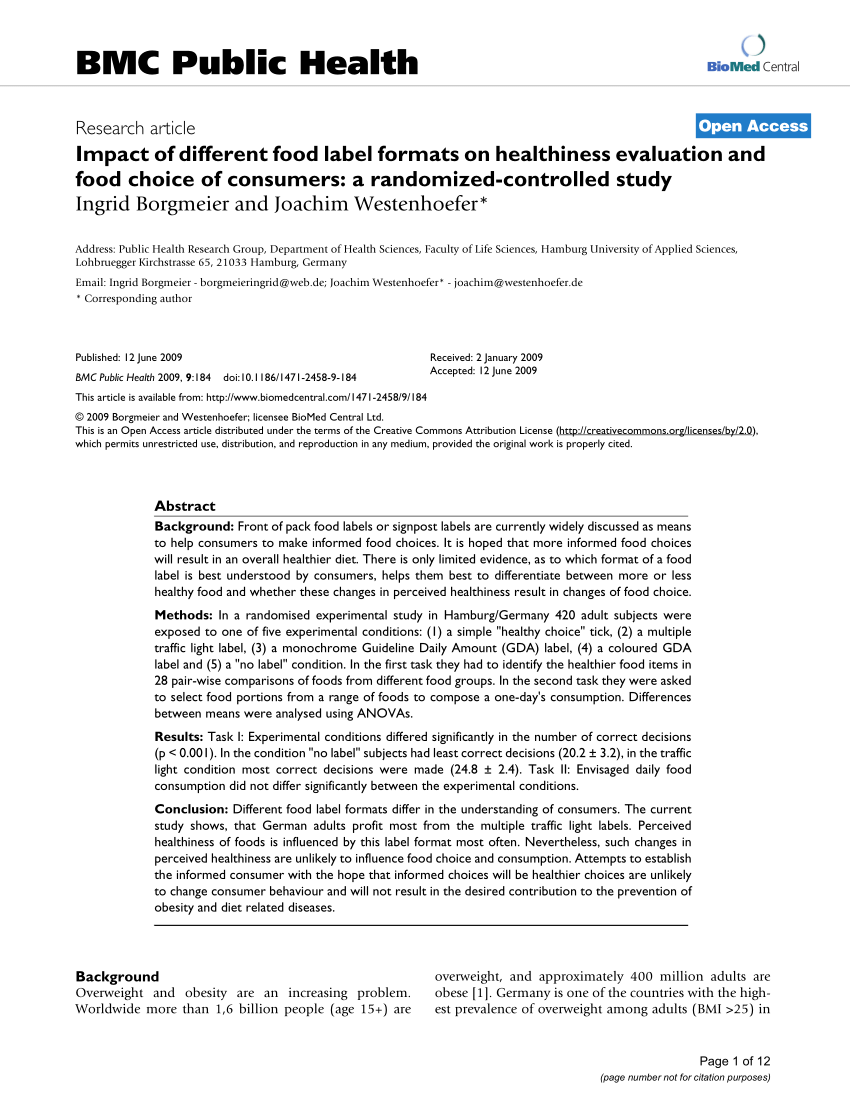
(PDF) Impact of different food label formats on healthiness evaluation and food choice of ...
The Organic Seal - Agricultural Marketing Service Agricultural products that are sold, labeled, or represented as organic must be produced and processed in accordance with the NOP standards. Except for operations whose gross income from organic sales totals $5,000 or less, farm and processing operations that grow and process organic agricultural products must be certified by USDA-accredited certifying agents.

Soursop & Moringa « alkalineluxe
Organic Food Statistics About the 2020 Market (Infographic) Before you switch, remember one of the most important facts about organic food: know your labels. "100% organic" means the food has been grown and processed using FDA-approved methods and ingredients. Just "organic" means that 90% of the ingredients are organic. "Made from organic" means at least 75% of the product's ingredients are organic. 6.
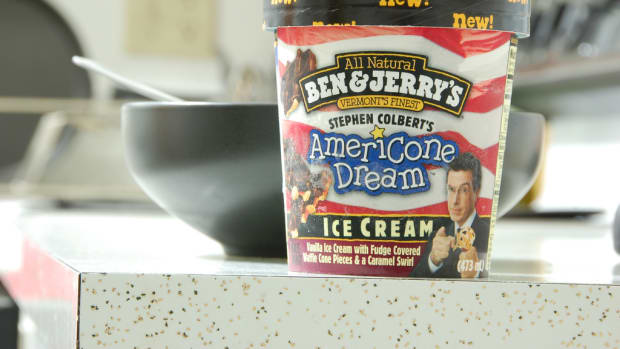
Why 'Natural Flavor' Isn't Necessarily Natural - Organic Authority
Food labelling and packaging: Overview - GOV.UK Organic food Overview To sell food and drink products, the label must be: clear and easy to read permanent easy to understand easily visible not misleading You must show certain basic information...
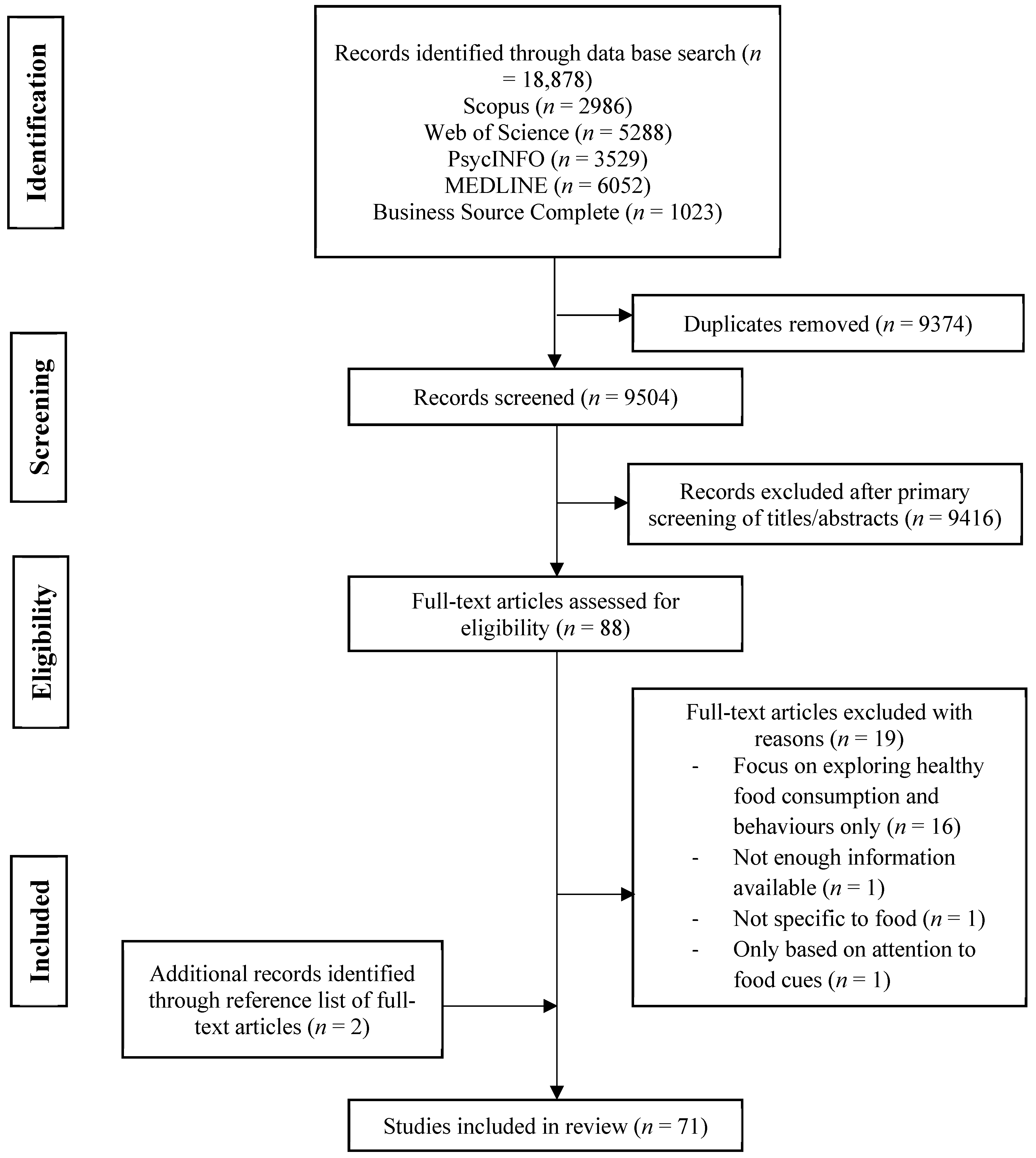
32 Which Part Of A Food Label Is The Primary Tool For Determining The Healthfulness Of The ...
Baby food labels: What you need to know | Vinmec The term "organic" has long been associated with food grown without pesticides. However, the USDA organic seal says more than that: the product and other ingredients in the packaging are grown without the use of genetically modified products, sewage sludge (a fertilizers), irradiation, synthetic fertilizers, or herbicides and must contain no artificial flavors, colors, or preservatives.

Oxygen Absorber Sachets | EMCO Technology Ensuring Freshness in the Food Industry
Food Labeling - Agriculture and Markets This is a brief summary of the labeling regulations governing foods offered for sale in New York State. It is not meant to be all inclusive of all of the labeling requirements. It is strongly suggested that labels be submitted to this agency for review prior to printing. Next Section Continue Five Basic Label Requirements
Post a Comment for "45 organic food standards and labels the facts"